
Maintaining independence often depends on having access to services, treatments, and equipment that support everyday health, comfort, mobility, and confidence. People of all ages can benefit from making practical choices that help them stay active, manage routine health concerns, and complete daily tasks with fewer obstacles. For some, that means keeping up with preventive appointments. For others, it may involve managing discomfort, improving mobility, or finding services that make self-care more convenient.
Healthy, independent living is rarely supported by one solution alone. Vision care, pain management, circulation treatments, mobility equipment, wellness services, and personal care can all play a role depending on an individual’s needs. The goal is not to use every available service, but to understand which options may help someone maintain routines, participate in activities, and feel more comfortable at home and in the community.
Planning ahead can also make it easier to respond when needs change. Learning about local providers, available equipment, and practical wellness resources can help individuals and families make informed decisions without feeling rushed. A well-rounded approach can support both physical well-being and the confidence that comes from handling everyday life as independently as possible.
Keep Up With Routine Vision Care
Vision affects nearly every part of daily life, from reading medication labels to driving, cooking, walking safely, and using digital devices. Changes in eyesight can happen gradually, so people may not always notice how much their vision has shifted until routine activities become more difficult. Scheduling an eye examination can help identify changes in visual acuity and provide an opportunity to discuss symptoms such as eye strain, headaches, blurred vision, or difficulty seeing at night.
Routine vision appointments are especially important for people who already wear glasses or contact lenses. Prescriptions can change over time, and an outdated prescription may make reading, driving, or working on a computer more tiring than necessary. Eye care professionals can also discuss habits that support comfort, including screen breaks, proper lighting, and lens options suited to specific activities.
Good lighting throughout the home can complement regular vision care. Hallways, staircases, kitchens, and bathrooms should be bright enough to make obstacles easier to see. Reducing clutter and using contrast between surfaces can also help people move through familiar spaces more confidently.

Address Pain Before It Limits Daily Activity
Persistent pain can make routine activities harder, including sleeping, walking, exercising, working, and completing household tasks. When discomfort begins interfering with normal routines, pain management services can help individuals explore ways to reduce symptoms and maintain function. The appropriate approach depends on the source of the pain, medical history, current medications, and personal goals.
Pain care may involve a combination of evaluation, physical rehabilitation, medication management, injections, exercise recommendations, or other therapies. A provider can help determine which options are appropriate and whether additional testing or referral is needed. The purpose of a treatment plan is often to improve daily function as well as address discomfort.
People can also support pain management through practical changes at home. Frequently used items can be moved to easier-to-reach locations, heavy objects can be stored at waist height, and seating can be arranged to reduce unnecessary bending or twisting. Supportive footwear, appropriate exercise, and scheduled rest periods may also make certain routines easier.
It is useful to track when pain occurs and which activities make it better or worse. This information can help a healthcare professional understand patterns and adjust recommendations. Seeking care earlier may also prevent people from reducing activity so much that strength, flexibility, or confidence declines further.
Support Circulation and Vein Health
Leg discomfort, swelling, visible veins, heaviness, and other circulation-related symptoms can affect how comfortable someone feels while standing or walking. People experiencing persistent symptoms should discuss them with a qualified healthcare professional rather than assuming they are only cosmetic concerns. Evaluation can help determine whether venous disease treatment is appropriate and which options may fit the individual’s condition.
Treatment recommendations can vary depending on the type and severity of the problem. Some people may be advised to use compression garments, increase movement, elevate the legs, or make other lifestyle adjustments. Others may be candidates for procedures designed to address affected veins.
Laser vein treatments are one option used for certain vein concerns. The exact procedure, recovery expectations, and potential benefits depend on the condition being treated. A medical professional can explain whether laser-based care is suitable and what other options may be available.
Daily habits can also support leg comfort. Avoiding long periods of sitting or standing when possible, taking regular walking breaks, and following exercise recommendations can help people remain active. Anyone with sudden swelling, severe pain, skin changes, or other concerning symptoms should seek medical guidance promptly rather than relying on self-treatment.
By addressing circulation concerns before they significantly disrupt daily routines, individuals may find it easier to continue walking, exercising, shopping, traveling, and participating in activities that support independence.
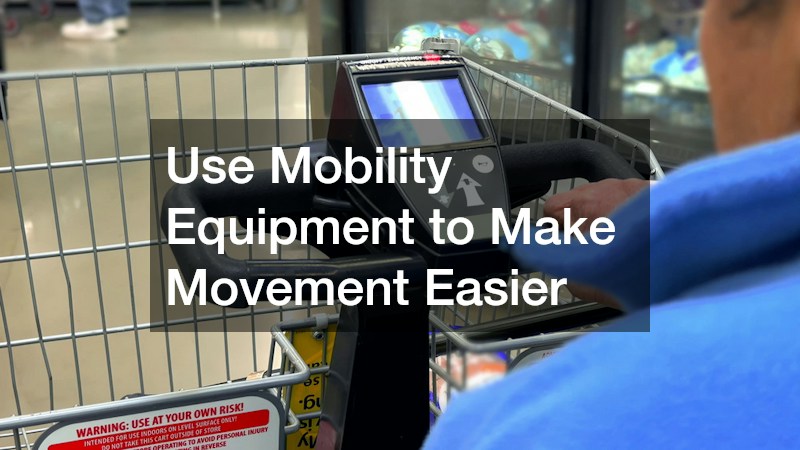
Use Mobility Equipment to Make Movement Easier
Mobility equipment can help people remain active when walking, standing, or transferring becomes difficult. The right equipment depends on a person’s strength, balance, endurance, home layout, transportation needs, and daily activities. Choosing equipment that fits the user properly is important because an inappropriate device can be uncomfortable or difficult to operate.
A mobility scooter can make longer trips more manageable for someone who can walk short distances but becomes fatigued quickly. Scooters may be useful for shopping, community events, large buildings, or outdoor activities, depending on the model and terrain. Users should consider turning radius, battery range, seating support, storage, and transportation before choosing one.
Lift chairs can also make a difference at home for people who have difficulty rising from a seated position. These chairs use powered mechanisms to help move the user toward a standing position. They are available in different sizes and reclining configurations, so proper fit and positioning matter.
For wheelchair users who travel by vehicle, a vehicle wheelchair lift can simplify loading and unloading a chair or mobility device. Some lifts are designed for occupied wheelchairs, while others are intended to transport the equipment itself. Vehicle compatibility, weight capacity, securement, and professional installation should all be considered.
Mobility tools work best when they are selected around real routines. Evaluating door widths, storage space, ramps, steps, and vehicle access can help ensure the equipment supports independence instead of creating new obstacles.
Consider Wellness Services That Fit Personal Needs
Some people include wellness-focused services in their broader health routines. IV therapy, for example, is offered in some medical and wellness settings to deliver fluids or certain nutrients directly into the bloodstream. Because individual health conditions and medication use can affect whether this type of service is appropriate, people should discuss it with a qualified healthcare professional before receiving treatment.
IV therapy may be used in medical settings when fluids, medications, or nutrients need to be delivered intravenously. Wellness clinics may also offer elective infusions, but consumers should understand what is being administered, why it is recommended, who is supervising the service, and what potential risks are involved.
A reputable provider should review medical history, explain the ingredients in the infusion, discuss possible side effects, and answer questions before treatment begins. People with kidney, heart, or other medical conditions may have additional considerations, making appropriate medical oversight particularly important.
Wellness services should complement, not replace, routine medical care. Hydration, balanced nutrition, regular physical activity, sufficient sleep, and prescribed treatments remain important parts of maintaining health. Individuals should be cautious about exaggerated claims that a single service can prevent illness, cure broad health problems, or replace evidence-based care.
When used appropriately and with professional guidance, wellness services may fit into a larger personal care plan focused on maintaining energy, comfort, and daily function.

Know Where to Seek Care When Illness Occurs
Even people who are generally healthy need a plan for unexpected illness. Knowing where to seek care can reduce uncertainty when symptoms appear and help individuals receive appropriate attention sooner. An illness treatment clinic may provide evaluation and treatment for common concerns such as respiratory symptoms, minor infections, fever, sore throats, stomach problems, or other nonemergency conditions.
Before choosing a clinic, patients should consider operating hours, appointment availability, accepted insurance, available testing, and whether the facility can communicate with their primary care provider. Understanding these details in advance can make it easier to decide where to go when someone is not feeling well.
It is equally important to recognize when a clinic is not the right setting. Severe chest pain, difficulty breathing, signs of stroke, major injuries, uncontrolled bleeding, and other emergencies require immediate emergency care. People should not delay urgent treatment while trying to schedule a routine appointment.
Maintaining an updated list of medications, allergies, medical conditions, and emergency contacts can also support more efficient care. Individuals who manage several prescriptions may find it helpful to keep this information available on their phone or in a wallet.
A clear plan for illness can support independence because it reduces the need to make complicated decisions while feeling unwell. It can also help family members or caregivers step in quickly when assistance is needed.
Include Personal Care in a Well-Rounded Routine
Independent living is not only about managing medical needs. Personal care, grooming, and appearance can influence confidence, social connection, and the motivation to participate in everyday activities. Maintaining routines that help someone feel comfortable and put together can be an important part of overall well-being.
Local beauty salons can provide services such as haircuts, styling, color, and other grooming options that help individuals maintain their preferred appearance. For people with limited mobility, choosing a salon with accessible entrances, convenient parking, comfortable seating, and enough space to move safely can make appointments easier.
Scheduling personal care in advance can also simplify routines for individuals who rely on transportation assistance. Combining appointments with other errands or selecting providers close to home may reduce travel time and make outings less tiring.
Self-care does not have to involve elaborate services. Simple routines at home, including skin care, grooming, comfortable clothing, and regular hair care, can also support confidence. The important factor is choosing routines that are manageable and personally meaningful.
Personal care can also provide valuable social interaction. Regular appointments offer opportunities to leave the house, talk with others, and maintain familiar routines. These seemingly small experiences can help people stay engaged with their communities and preserve a sense of normalcy as health or mobility needs change.

Build a Long-Term Plan for Independent Living
Healthy independence is easier to maintain when people plan for changing needs instead of waiting for a crisis. A long-term plan can include preventive healthcare, home safety, transportation, mobility, social activities, and access to reliable local services. The exact priorities will differ for every individual.
Start by identifying the daily activities that matter most. Someone may want to continue driving, cooking, attending social events, caring for a pet, exercising, or living in the same home. Once those priorities are clear, it becomes easier to identify which services or adaptations could help support them.
Home safety should be carefully reviewed periodically. Loose rugs, poor lighting, steep steps, cluttered walkways, and difficult bathroom layouts can become more challenging over time. Small modifications such as grab bars, brighter lighting, handrails, or rearranged storage can reduce unnecessary obstacles.
Transportation also deserves attention. People who no longer drive may need access to family support, public transportation, community programs, or ride services. Individuals who use mobility equipment should make sure transportation options can accommodate their devices.
Health records, provider information, insurance details, and medication lists should be kept organized and accessible. Families can also discuss preferences about future support before additional help becomes necessary. These conversations can make transitions easier if mobility, vision, pain, or other health needs change.
Independent living does not mean doing everything without assistance. It means having the tools, services, information, and support needed to make choices and participate in daily life as fully as possible. By combining preventive care, appropriate treatment, useful mobility equipment, wellness resources, and meaningful personal routines, individuals can create a practical plan that supports health, confidence, and independence over time.