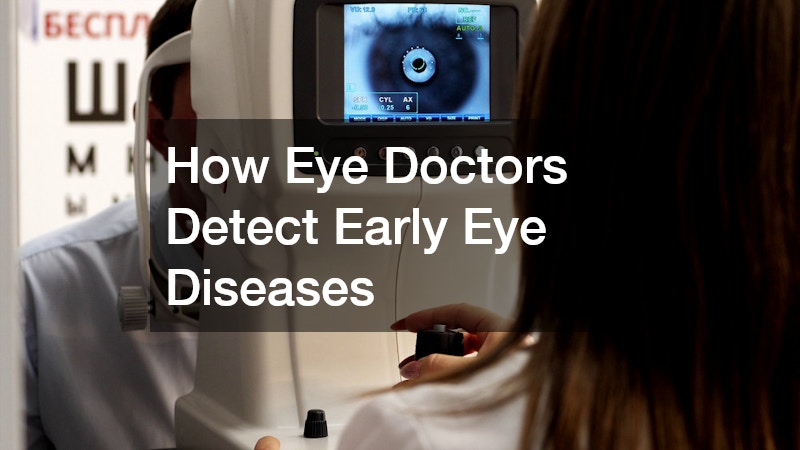
This article explores the various methods and technologies used by eye doctors to detect early eye diseases, emphasizing the importance of regular eye exams. Early detection is key in treating and managing conditions before they progress into more severe stages, potentially saving one’s vision. Comprehensive eye exams are crucial not just for people who notice vision issues but also for those who believe they have perfect eyesight.
This significance highlights the need for awareness and education on what eye exams involve and their necessity. Through these exams, eye care professionals can diagnose conditions that might not present obvious symptoms initially.
What Are the Most Common Eye Diseases Detected Early?
Glaucoma, commonly known as the “sneak thief of sight,” represents one of the most frequently diagnosed conditions in the early stages. This disease can cause irreversible vision damage before patients notice any changes. Another prevalent condition is macular degeneration, which primarily affects individuals over 60 and can lead to central vision loss. Early intervention can help manage symptoms and slow the progression of the disease, preserving vision. Similarly, diabetic retinopathy is another condition that benefits significantly from early detection, especially among those with uncontrolled diabetes, as it can prevent severe complications or blindness.
Detecting these eye diseases early can drastically change patient outcomes. Regular eye exams become essential, as they often involve routine checks for these conditions, even if symptoms are not immediately apparent. Given the chronic nature of these diseases, maintaining a routine schedule ensures any changes in the eye can be monitored closely. Early diagnosis is advantageous as it provides a wider range of treatment options. Furthermore, patients who are consistently monitored might experience less anxiety about their conditions through timely updates and adjustments to treatment plans.
What Tests Do Eye Doctors Use for Diagnosis?
Visual acuity tests form a primary method through which eye doctors determine the sharpness of vision. During such tests, patients are typically required to read letters or signs from a distance. Tonometry, another crucial test, measures the pressure inside the eye, which is vital for diagnosing glaucoma. High intraocular pressure often signifies a potential risk of developing the disease. Retinal imaging offers a deep dive into the back of the eye, capturing detailed images of the retina, which aids in identifying conditions such as diabetic retinopathy and macular degeneration.
How Often Should You Get Your Eyes Tested?
The frequency of eye exams largely depends on age and specific risk factors associated with each individual. For those under 40, eye exams every two to four years are generally sufficient if no symptoms of eye health issues exist. However, after the age of 40, it’s recommended to increase the frequency to every one to two years, as risk factors for diseases like glaucoma and macular degeneration rise. For those already diagnosed with certain conditions or who have higher risk factors such as diabetes, more frequent exams are necessary. Regular visits help doctors tailor recommendations to specific needs, possibly altering the exam frequency based on observed trends.
Technology plays an integral role in determining the optimum frequency as well, as advanced diagnostics can detect changes in eye health with greater precision. Patients are advised to adhere to the schedules provided by their healthcare providers rather than going by arbitrary intervals. The overarching goal is to ensure that eye health tracking remains consistent and thorough. A personalized plan helps in identifying any subtle changes early enough to mitigate long-term damage. Adjusting the frequency of exams as needed also acknowledges that eye health is not static but can evolve due to lifestyle changes, health conditions, and age.
What Symptoms Indicate You Should Visit an Eye Doctor?
Various symptoms might suggest it’s necessary to schedule an eye appointment, even in the absence of a regular exam routine. Sudden changes in vision, such as blurring or double vision, warn of potential underlying problems. Eye pain or persistent discomfort can also indicate the need for professional evaluation. A sensation of pressure in or around the eyes, often mistaken for pain, might be symptomatic of high intraocular pressure. If left unchecked, such symptoms can escalate, resulting in more severe conditions that might have been preventable through earlier interventions.
How Does Technology Impact Early Eye Disease Detection?
Technology has revolutionized the capability to detect eye diseases early, allowing for interventions that enhance patient outcomes. Optical Coherence Tomography (OCT) stands at the forefront, offering detailed cross-sectional images of retinal layers. This non-invasive approach ensures high-resolution imaging, crucial for identifying changes indicative of disease progression. Artificial intelligence, when integrated into diagnostic processes, increases accuracy and speeds up the detection timelines. By employing complex algorithms, AI can analyze vast datasets from retinal scans, identifying anomalies that might escape the human eye.
Early detection of eye diseases is crucial for maintaining eye health, and regular check-ups with experienced eye care professionals using advanced diagnostic tools can greatly aid in this process. The collaboration between technology and human expertise enhances precision in diagnoses and treatment plans. Ensuring that patients remain informed and proactive about their eye health contributes to better individual and community-wide eye health outcomes. Through understanding risk factors, symptoms, and the importance of routine exams, patients and practitioners can forge a path to healthier vision. Ultimately, a collective effort remains essential in preserving sight and improving life quality globally.