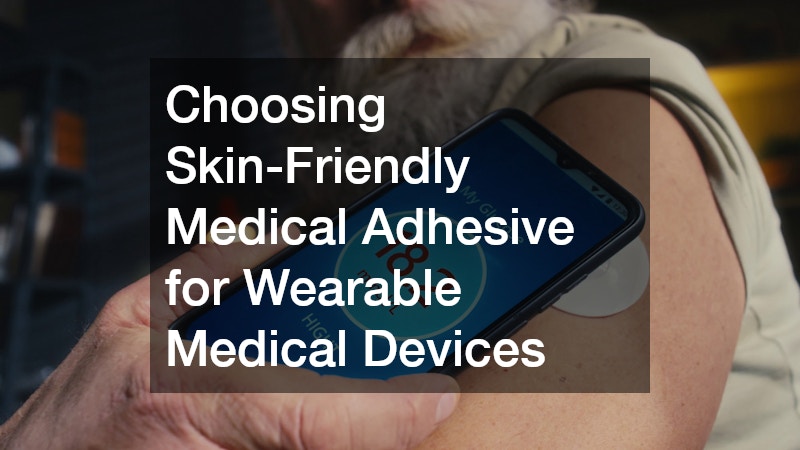
Wearable health technology has become a major part of modern healthcare, from continuous glucose monitors to heart rate patches and remote patient monitoring systems. As these devices become more common in everyday life, comfort and skin safety have become just as important as accuracy and performance. One of the most critical but often overlooked components in these devices is the bonding layer that keeps them securely attached to the skin. A poorly chosen option can lead to irritation, reduced wear time, or even device failure. Selecting the right medical adhesive is essential for ensuring that wearable devices remain both effective and comfortable for extended use.
This article explores what makes skin-friendly options important, what factors to consider, and how users can make better choices for daily wear without compromising skin health or device performance.
Understanding Skin Interaction in Wearable Technology
Wearable medical devices rely on consistent skin contact to function properly. Whether monitoring glucose levels or tracking cardiac activity, these devices must remain stable throughout movement, sweat, and daily routines. However, the skin is a sensitive and dynamic surface that reacts differently depending on temperature, moisture, and individual sensitivity. This makes adhesion a delicate balance between secure placement and gentle removal. Devices that stay on too tightly can cause irritation or damage, while those that do not adhere well may lead to inaccurate readings or frequent repositioning. Understanding how the skin interacts with device materials helps users and manufacturers prioritize comfort without sacrificing performance.
Key Factors in Skin Compatibility
When selecting materials for wearable health products, skin compatibility should always come first. Factors such as breathability, hypoallergenic properties, and flexibility play a major role in long-term comfort. Individuals with sensitive skin are especially prone to redness or discomfort when exposed to harsh bonding materials. In some cases, a poorly formulated medical adhesive can lead to itching or mild inflammation after extended wear. To reduce these risks, manufacturers often test materials for dermatological safety and ensure they can withstand repeated use without degrading. Users should also consider how long a device will be worn and whether the material allows for natural skin movement without pulling or tension.
Comfort and Secure Wearability
Comfort is one of the most important aspects of any wearable medical device, especially for users who must wear them continuously. Devices that feel intrusive or irritating are less likely to be used correctly or consistently. A well-designed wearable system ensures that pressure is evenly distributed across the skin and that removal does not cause discomfort. In this context, a high-quality medical adhesive plays a central role in maintaining both stability and comfort. It helps keep devices in place during physical activity, sleep, and daily routines while minimizing strain on the skin. The goal is to achieve a balance where the user barely notices the device is there, even during extended wear periods.
Safety and Sensitivity Considerations
Skin sensitivity varies widely between individuals, which makes safety testing essential in wearable device design. Some users may experience reactions to certain materials after prolonged exposure, especially in warm or humid environments. This is why dermatological testing and hypoallergenic certification are commonly used in product development. Manufacturers aim to reduce risks by selecting materials that are less likely to trigger irritation or allergic responses. Proper skin preparation before applying a device can also improve comfort and reduce the likelihood of adverse reactions. Cleaning the skin and allowing it to dry fully helps create a more stable and gentle bonding surface, reducing unnecessary stress during wear.
Best Practices for Everyday Use
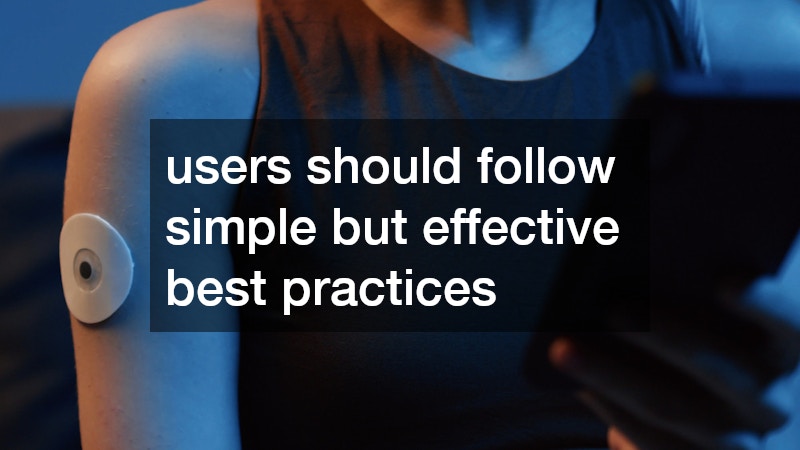
To get the most out of wearable health devices, users should follow simple but effective best practices. Rotating application sites can help prevent irritation and give the skin time to recover between uses. It is also important to remove devices slowly and carefully to avoid unnecessary pulling or discomfort. Moisturizing the skin after removal can help maintain its natural barrier and reduce dryness over time. Storage conditions for devices also matter, as extreme heat or humidity can affect performance and comfort. In addition, checking the skin regularly for early signs of irritation can help prevent more serious reactions from developing. By combining proper care with thoughtful product selection, users can extend both device lifespan and skin health without compromising functionality.
Wearable health technology continues to evolve, offering more accurate and convenient ways to monitor personal health. However, the success of these devices depends not only on their technical capabilities but also on how comfortably they interact with the human body. Choosing the right medical adhesive is a key part of this equation, as it directly impacts wear time, skin comfort, and overall user experience. When devices are designed with skin sensitivity and long-term wear in mind, users benefit from improved reliability and reduced discomfort. As the industry advances, greater attention to skin-friendly materials will continue to shape the future of wearable healthcare, making it more accessible and comfortable for everyday use.